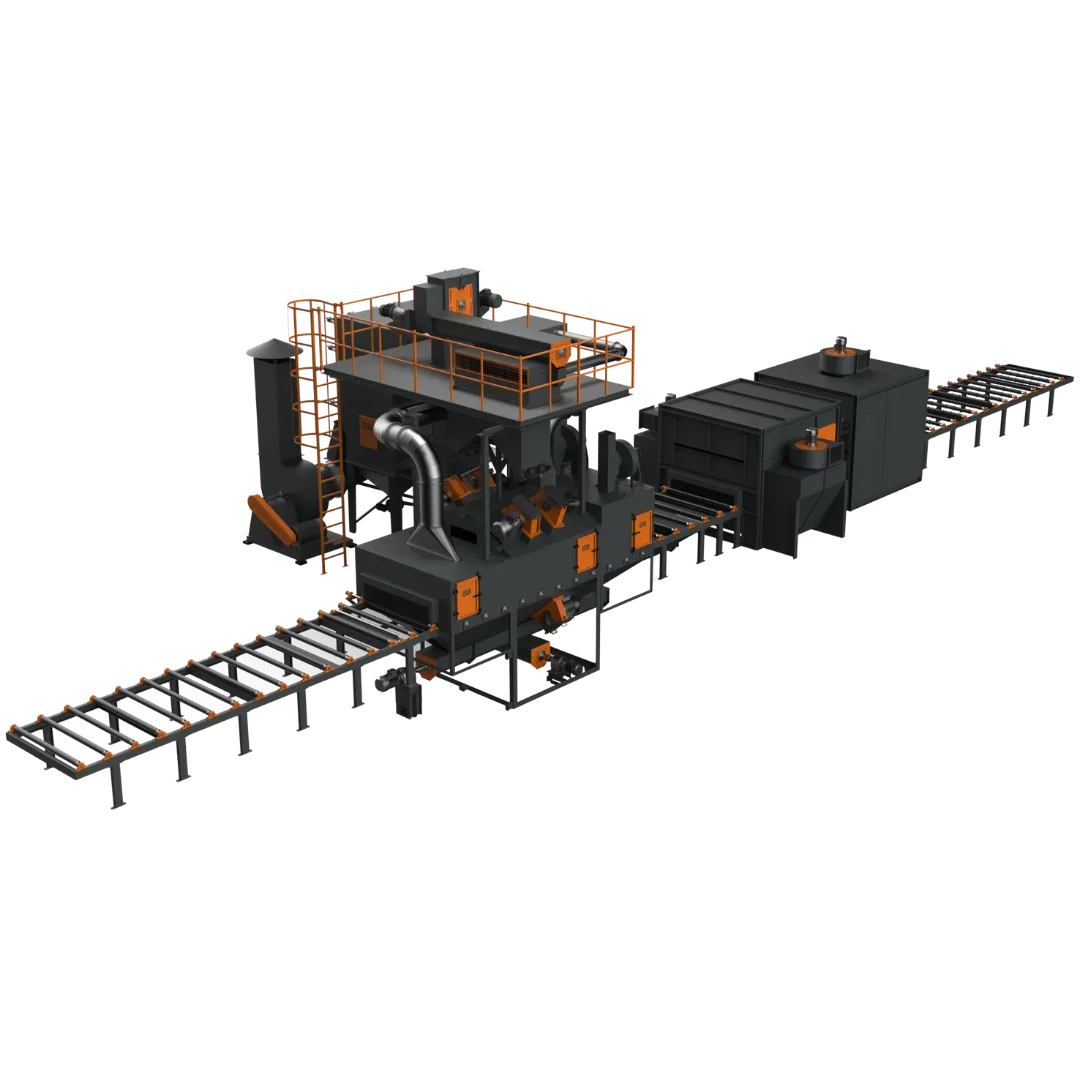
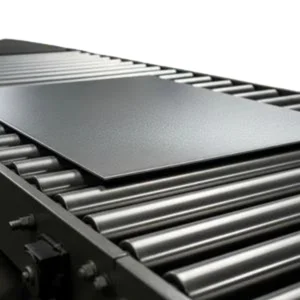
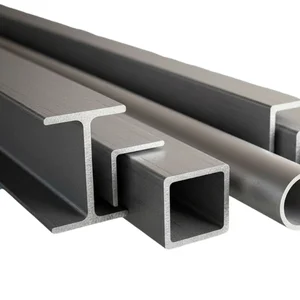
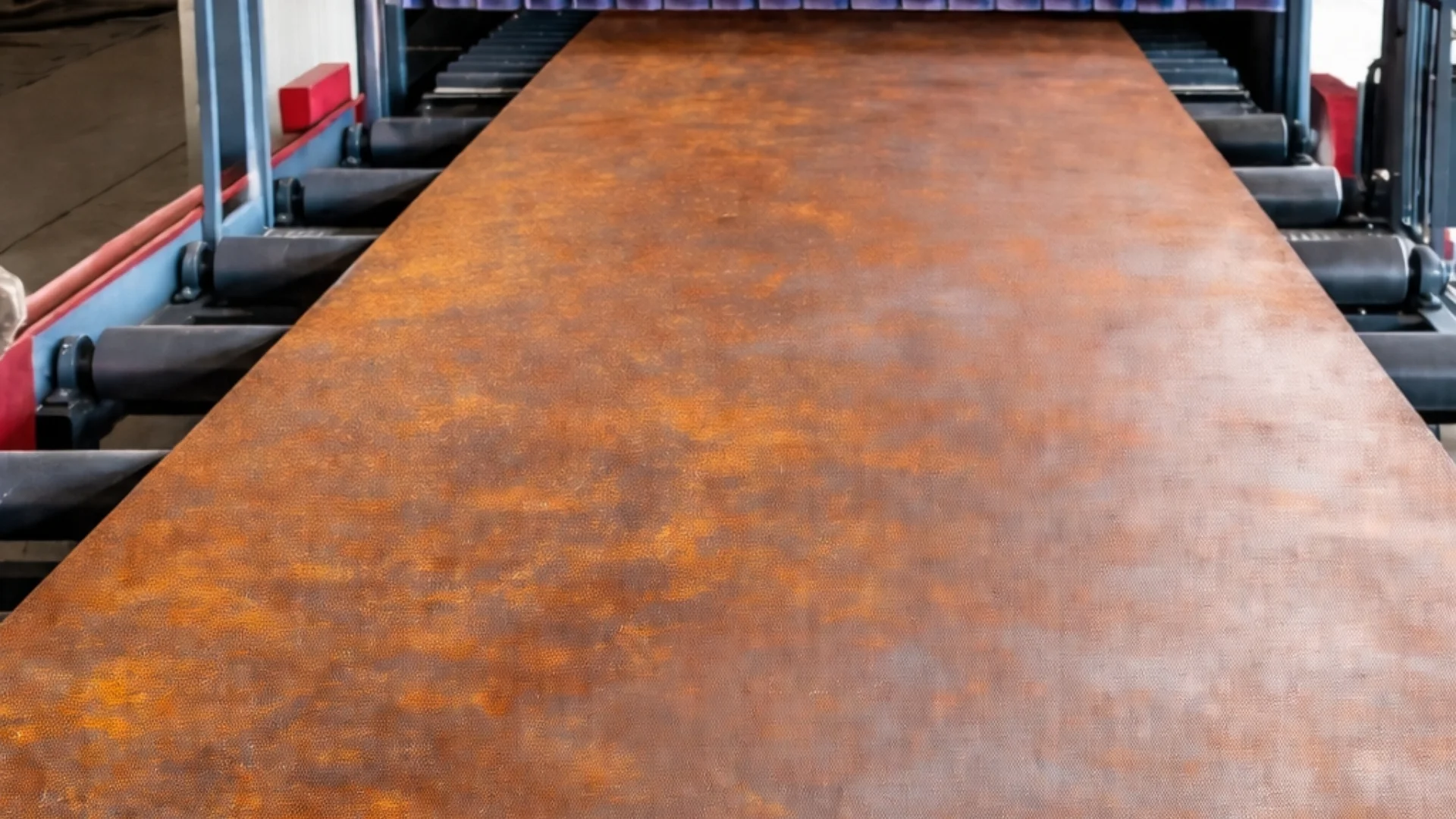
A Plate Preservation Line refers to a specialized system used for the preservation and protection of steel plates before further processing or storage. This line is designed to prevent corrosion and damage to the plates during transportation, handling, and storage.
The GEC Plate Preservation Line typically consists of various components and processes. It starts with the loading of steel plates onto a conveyor system, which moves them through a series of surface treatment stages. These stages may include processes such as shot blasting, priming, drying, and cooling.
Shot blasting is performed to remove rust, scale, and other contaminants from the plate surface, ensuring a clean and properly prepared surface for subsequent coating or painting. Priming involves the application of a protective coating or primer to prevent corrosion. Drying and cooling processes are employed to ensure proper curing and preservation of the applied coatings.
GEC Plate Preservation Lines are commonly used in industries such as steel manufacturing, shipbuilding, construction, and metal fabrication, where large quantities of steel plates are processed and preserved. These lines help maintain the quality and integrity of the plates, ensuring they are ready for further manufacturing or storage.
The components of a plate preservation line, typically include:
Pre-heating: The steel plates are subjected to pre-heating to remove any moisture or contaminants and raise their temperature to the desired level.
Shot blasting: The pre-heated plates are passed through a shot blasting chamber where abrasive particles are propelled at high speed onto the plate surface. This process removes rust, scale, and other contaminants, ensuring a clean and roughened surface for optimal coating adhesion.
Priming : After shot blasting, the plates move to the priming stage where a protective coating or primer is applied. The primer helps to prevent corrosion and enhances the adhesion of subsequent coatings.
Drying: Once the plates are primed, they proceed to a drying chamber or oven where heated air is circulated to remove moisture and facilitate the curing of the primer. This ensures that the primer forms a durable and protective layer on the plate surface.
Pre Heating System : The Electric Operated Convection Heating Oven is designed with open ends to allow easy entry and exit of thick plates. It is suitable for continuous operation and can reach a maximum temperature of 60°C. This high temperature helps eliminate moisture from the job and assists in the descaling process.
BLASTING SYSTEM : The steel plate is positioned on the inner side of the roller conveyor. It enters the blasting chamber through an inward tunnel for the purpose of blasting. Strategically placed blast wheel stations fire shots at the plate from different angles, ensuring uniform blasting on all sides.
After the blasting process, the plates move forward and enter the outlet vestibules tunnel. A blower continuously removes the accumulated abrasive from the blasted plates. The plates, now clean and shot blasted, exit the tunnel and proceed to the online painting chamber for painting.
Baking Oven : The oven is equipped with arrays of heaters on both sides. The painted plates are then introduced into the baking oven for the baking process. The temperature inside the baking oven is regulated using a thermostat and sensing probe.
Painting/Priming System : The Semi Down Draft Paint Spray Chamber is designed to accommodate conventional, airless, and electrostatic spray painting processes. It comprises a painting chamber, Inlet Air Filter, Paint Trap Filters, axial flow Fan, electric motor, duct, and canopy, among other components.